
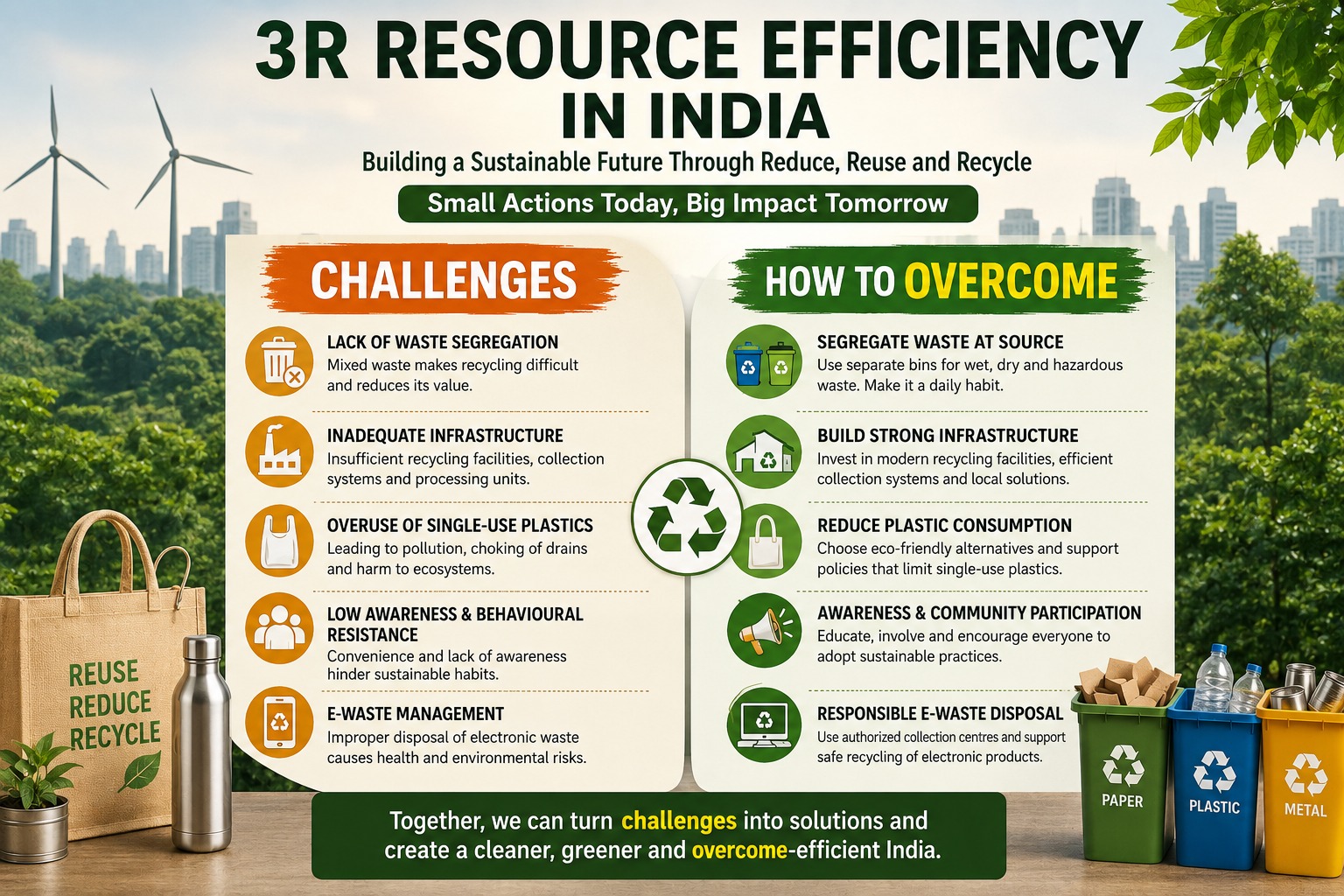
India is experiencing one of the most significant periods of transformation in its modern history. Cities are expanding rapidly, industries are growing at unprecedented rates, and millions of people are gaining access to better technology, transportation, education, and economic opportunities. This development has improved living standards for many, but it has also created immense pressure on the country’s natural resources and energy systems.
Energy lies at the heart of this transformation. Every home, office, hospital, school, factory, and transportation network depends on a steady and reliable supply of electricity. For decades, India has relied heavily on fossil fuels such as coal, oil, and natural gas to meet these growing energy demands. While these resources played a major role in powering industrial growth and urban expansion, they have also contributed to severe environmental and public health challenges.
Today, India finds itself at a critical turning point. The country must continue developing economically while also addressing rising pollution levels, climate change, resource depletion, and energy security concerns. In this context, renewable energy is no longer viewed merely as an alternative source of power. It has become one of the most important pillars of sustainable development and long term economic resilience.
The transition toward renewable energy represents more than a technological shift. It reflects a broader change in how societies think about growth, responsibility, and the future. It is about creating systems that support development without exhausting the environment or compromising the well being of future generations.
Understanding Renewable Energy and Its Importance
Renewable energy refers to energy generated from naturally replenishing resources such as sunlight, wind, water, and biomass. Unlike fossil fuels, which are finite and environmentally damaging, renewable resources can provide cleaner and more sustainable energy over long periods of time.
Among the various forms of renewable energy, solar and wind power have become especially important for India. The country receives abundant sunlight throughout the year, making solar energy one of the most practical and scalable solutions for both urban and rural regions. Wind energy has also gained momentum, particularly in coastal and high wind states where large wind farms have become increasingly common.
What makes renewable energy especially significant is its ability to address multiple challenges at once. It supports economic growth while reducing environmental damage. It improves energy access while lowering pollution levels. It creates employment opportunities while strengthening long term sustainability. For a country as large and diverse as India, these benefits carry enormous importance.
The Environmental Cost of Fossil Fuel Dependence
India remains one of the world’s largest consumers of coal. Coal based thermal plants continue to produce a major share of the country’s electricity. While these plants have supported industrialisation and infrastructure growth for decades, their environmental impact has become impossible to ignore.
The effects are visible across many Indian cities. Urban centres such as Delhi, Mumbai, Kolkata, and Chennai frequently struggle with severe air pollution. Thick smog, declining air quality, and rising respiratory illnesses have become common concerns, especially during winter months.
Air pollution does not only affect the environment. It directly impacts people’s health and quality of life. Children growing up in polluted urban environments often face respiratory problems at a young age. Elderly populations remain vulnerable to heart and lung diseases aggravated by poor air quality. Even healthy individuals increasingly experience the effects of polluted environments through fatigue, allergies, and breathing difficulties.
Beyond urban pollution, fossil fuel dependence also contributes heavily to climate change. Rising temperatures, irregular rainfall patterns, floods, heatwaves, and water scarcity are becoming more frequent across different parts of India. Farmers are among the worst affected, as changing climate conditions directly influence crop productivity and agricultural stability.
Renewable energy offers a path toward reducing these environmental and public health risks. Cleaner energy systems can help improve air quality, lower greenhouse gas emissions, and reduce long term ecological damage while still supporting economic development.
Renewable Energy and Sustainable Development
The concept of sustainable development focuses on meeting present needs without compromising the ability of future generations to meet theirs. It requires balancing economic growth with environmental protection and social well being. Renewable energy plays a central role in achieving this balance.
Environmentally, renewable energy significantly reduces harmful emissions compared to fossil fuels. Solar panels and wind turbines generate electricity without continuously releasing pollutants into the atmosphere. As renewable adoption increases, dependence on environmentally destructive mining and fuel extraction gradually decreases.
Economically, renewable energy is becoming increasingly competitive. A decade ago, renewable technology was often considered expensive and impractical for large scale adoption. Today, technological advancements and falling production costs have made renewable energy more accessible than ever before.
India’s solar sector in particular has expanded rapidly due to falling installation costs and supportive government policies. Renewable energy projects are now attracting major domestic and international investment, creating opportunities across manufacturing, infrastructure, engineering, and research sectors.
The social impact of renewable transition is equally important. Reliable electricity access can transform entire communities. In rural areas especially, access to stable and affordable energy improves education, healthcare, communication, and economic productivity. Renewable systems can reach regions where traditional grid expansion may be difficult or financially unviable. In this way, renewable energy supports not only sustainability but also social equity and inclusive development.
India’s Renewable Energy Transformation
Over the last two decades, India has emerged as one of the world’s fastest growing renewable energy markets. The country has invested heavily in solar and wind energy infrastructure, gradually reshaping its energy landscape.
States such as Rajasthan, Gujarat, Tamil Nadu, and Karnataka have become major centres for renewable energy development. Vast solar parks now stretch across dry landscapes, while large wind turbines operate along coastal and high wind regions.
The growth of solar energy has been particularly remarkable. Rooftop solar systems are becoming increasingly common in residential buildings, educational institutions, offices, and commercial establishments. For many households and businesses, solar adoption offers both financial savings and environmental benefits.
In rural India, renewable energy has created new possibilities for decentralised development. Solar powered irrigation systems are helping farmers reduce dependence on diesel pumps, while mini grid systems are bringing electricity to remote villages.
These developments reflect a larger shift in how energy is produced and distributed. Instead of relying entirely on centralised fossil fuel systems, renewable energy enables more flexible and locally adaptable solutions.
The Human Side of Renewable Transition
Conversations about energy often focus heavily on technology, infrastructure, and policy. However, renewable transition is ultimately about people and the lives they lead.
In many rural communities, reliable electricity changes everyday life in simple but meaningful ways. Students are able to study after sunset without depending on kerosene lamps. Healthcare centres can store medicines and operate medical equipment more effectively. Small businesses gain the ability to expand operations and improve productivity.
Women in particular often benefit from cleaner household energy systems. Reduced reliance on traditional fuels such as firewood improves indoor air quality and lowers health risks associated with smoke exposure. Renewable energy also creates employment opportunities across various skill levels. Engineers, technicians, construction workers, researchers, electricians, and entrepreneurs are all becoming part of the growing green economy.
This human dimension is what makes renewable transition especially significant. It is not only about cleaner electricity generation. It is about improving quality of life while creating more sustainable systems for future generations.
Businesses and the Shift Toward Clean Energy
Renewable energy is increasingly becoming a strategic priority for businesses across India. Companies are recognising that sustainability is no longer simply a matter of corporate image. It is becoming an essential part of long term operational resilience and economic competitiveness.
Many industries are investing in renewable energy to reduce electricity costs, improve energy security, and align with global environmental standards. Corporate sustainability goals, investor expectations, and international market pressures are all encouraging cleaner business practices.
Large office campuses, manufacturing facilities, shopping centres, and technology parks are adopting solar energy systems and energy efficient infrastructure. Businesses that embrace renewable transition are often viewed as more future ready and environmentally responsible.
The growth of the renewable sector has also created opportunities for startups and innovation driven enterprises. Areas such as battery storage, electric mobility, green hydrogen, energy management systems, and sustainable infrastructure are attracting increasing entrepreneurial interest.
India’s renewable transition is therefore not only an environmental movement but also a major economic opportunity.
Challenges in the Renewable Transition
Despite impressive progress, India’s renewable journey still faces several challenges.
One major concern is energy storage. Solar and wind energy depend on weather conditions, meaning electricity generation can fluctuate. Developing reliable and affordable battery systems remains essential for maintaining consistent energy supply.
Infrastructure limitations also continue to affect renewable integration. Electricity grids must evolve to manage decentralised and variable energy systems more efficiently. This requires significant investment in modernisation and smart grid technologies.
Initial installation costs can also remain a barrier for some households and smaller businesses, even though renewable systems often reduce expenses over time. Financial support mechanisms and accessible financing options are therefore important for expanding adoption.
Public awareness remains another challenge. Many people still lack clear information regarding renewable energy benefits, available subsidies, or long term cost advantages. Greater educational outreach is necessary to encourage broader participation.
At the same time, renewable projects themselves must be planned responsibly. Large infrastructure developments should consider environmental protection, biodiversity, and local community concerns to ensure sustainable implementation.
The Future of Renewable Energy in India
India’s future development will depend heavily on how effectively the country manages its energy transition. As urban populations continue growing and industrial demand increases, sustainable energy systems will become even more critical.
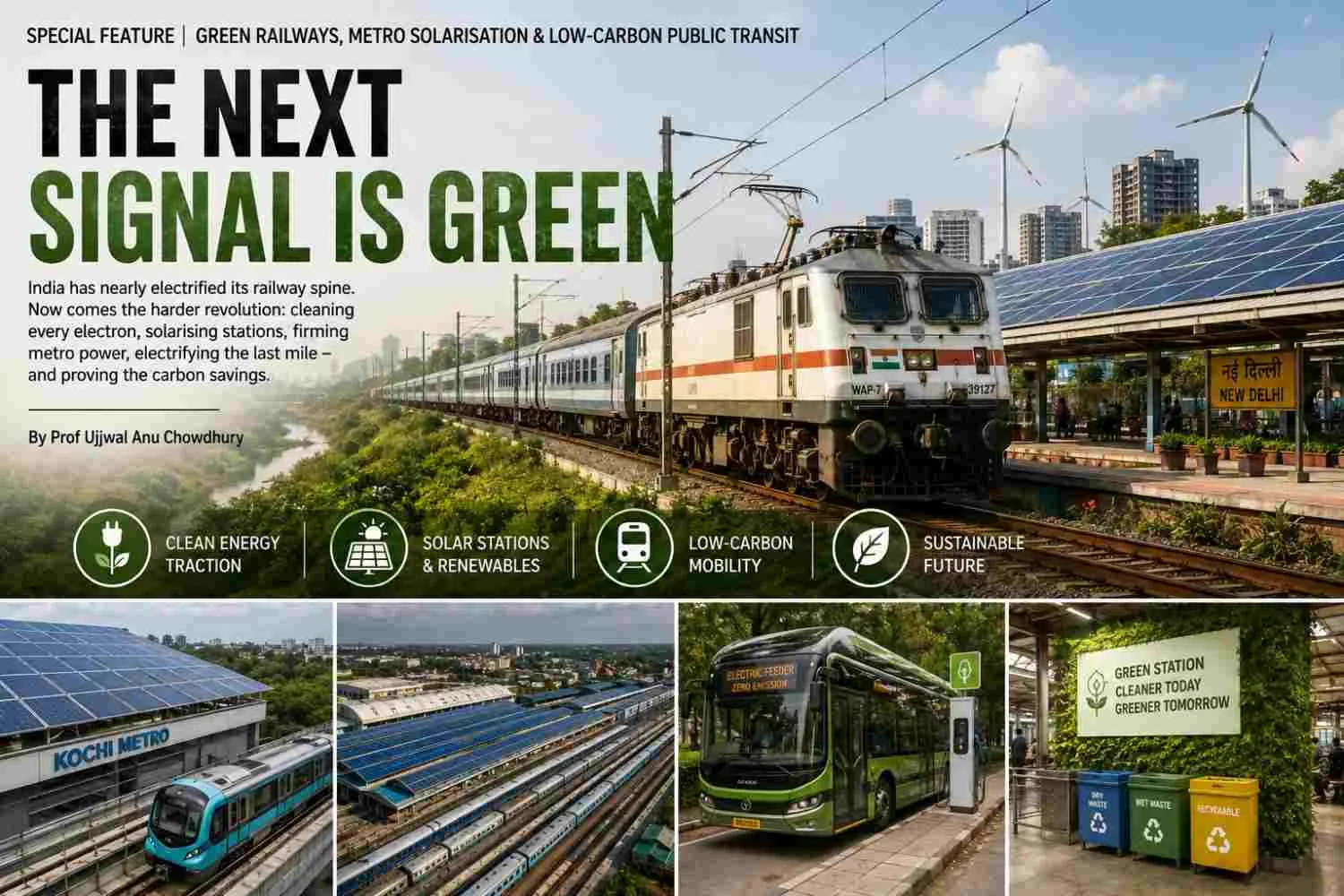
Future Indian cities are likely to depend increasingly on cleaner transportation, smart energy systems, electric mobility, energy efficient buildings, and decentralised renewable infrastructure. Public transportation networks powered by cleaner energy, solar integrated buildings, and improved urban planning could significantly reduce pollution and environmental stress.
Younger generations are also becoming more aware of climate issues and sustainability concerns. Across schools, universities, startups, and social initiatives, there is growing interest in environmental responsibility and green innovation.
This cultural shift matters because long term sustainability requires not only technological change but also social participation and collective responsibility.
Conclusion
Renewable energy has become one of the defining foundations of sustainable development in the twenty first century. For India, the transition toward cleaner energy systems represents an opportunity to pursue economic growth while protecting environmental and public well being.
The movement away from fossil fuels is driven by multiple realities: worsening pollution, climate challenges, rising energy demand, technological advancement, and the need for long term resilience. Renewable energy offers solutions that are cleaner, increasingly affordable, and better aligned with the goals of sustainable development.
India’s renewable journey is already reshaping industries, communities, and everyday life. Solar farms, wind projects, electric mobility systems, and green technologies are gradually transforming how the country generates and consumes energy. Challenges still exist, particularly in infrastructure, storage, financing, and awareness. However, the momentum toward cleaner energy continues to grow stronger each year.
Ultimately, renewable transition is about more than electricity generation. It is about building a future where development does not come at the cost of environmental destruction or public health. It is about ensuring that progress remains sustainable, inclusive, and responsible.
For India, renewable energy is not simply the future of power generation. It is increasingly becoming the foundation for a cleaner, healthier, and more sustainable future altogether.



Add a Comment