
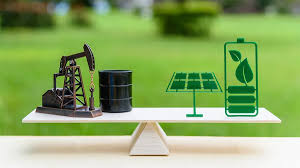
For decades, industrial growth was synonymous with increased energy consumption, usually derived from fossil fuels. However, the modern compliance landscape—driven by protocols like the Paris Agreement and domestic carbon taxes—now requires a decoupling of productivity from carbon output. This begins with Energy Efficiency First (EE1) principles, where companies audit every motor, HVAC system, and lighting fixture to eliminate "phantom loads." By implementing Variable Speed Drives (VSDs) and high-efficiency heat exchangers, a typical manufacturing plant can reduce its baseline energy consumption by up to 30% without altering its output.
Beyond efficiency lies the frontier of On-Site Renewable Generation. Corporate environmental compliance is increasingly defined by the "Power Purchase Agreement" (PPA) and the installation of localized microgrids. By integrating solar arrays, wind turbines, or biomass boilers directly into the industrial site, companies insulate themselves from volatile energy markets while meeting strict renewable energy mandates. In 2026, the gold standard is "Grid-Positive" status, where a company’s facility generates more clean energy than it consumes, feeding the surplus back into the local community. This transforms the factory from an environmental liability into a regional sustainability asset.
The final hurdle in energy compliance is the electrification of thermal processes. Many industries, such as cement and steel, require high-grade heat that solar panels cannot easily provide. Innovation in Green Hydrogen and large-scale industrial heat pumps is now allowing these "hard-to-abate" sectors to phase out coal and gas. Compliance in this era is not just about avoiding fines; it is about future-proofing the business against a looming global carbon price that will make carbon-intensive production economically unviable.





Add a Comment