
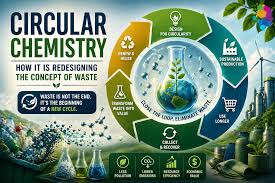
Environmental compliance regarding pollution and waste has moved beyond "end-of-pipe" solutions, such as filters and scrubbers, toward Source Reduction. The traditional linear model of "extract, make, dispose" is being replaced by the Circular Economy, where every byproduct of a manufacturing process is viewed as a potential raw material for another. This is particularly vital in the chemical and textile industries, where water pollution has historically been a major compliance risk. By adopting "Zero Liquid Discharge" (ZLD) systems, factories can treat and recycle 100% of their wastewater on-site, ensuring that no harmful effluents reach local water bodies.
In the realm of solid waste, the focus is shifting toward Extended Producer Responsibility (EPR). Regulatory bodies are increasingly holding companies accountable for their products even after they have been sold to the consumer. This has sparked a revolution in "Design for Disassembly." When a product is designed to be easily taken apart, its components can be recovered and fed back into the supply chain. This reduces the need for virgin material extraction and eliminates the environmental harm associated with landfilling.
The adoption of Green Chemistry is the final piece of the pollution puzzle. By replacing toxic solvents and reagents with bio-based alternatives, companies can ensure that their processes are inherently safe. This "Benign by Design" philosophy means that even if a leak or spill were to occur, the environmental impact would be negligible. For modern corporations, this represents the ultimate form of compliance: a system so well-integrated with natural cycles that it requires minimal external regulation to remain safe.



Add a Comment